Why luxury brands can’t afford poor digital
In the physical world, advances in innovation have often trickled down from luxury brands. Rolex introduced the first waterproof watch in 1926. Cadillac was the first car to offer automatic climate control and heated seats. Hermès pushed material innovation with their Sylvania mycelium leather. However, when it comes to digital innovation, mainstream brands (think Asos or Monzo) push ahead to win acclaim for their industry-leading digital experiences, leaving many luxury brands behind.

Luxury has always been about feeling, not function. Yet too many “luxury” digital experiences look premium but act pedestrian. As an example, take in-car infotainment systems. Luxury vehicles historically have had disappointing digital interfaces because of economies of scale (or lack thereof). The high cost of developing sophisticated digital experiences requires amortisation across large volumes, which luxury brands, with their low sales volumes, often lack. Indeed, across many industries luxury brands rely heavily on their physical products and human services to differentiate themselves, making them less digitally mature and slower to adopt digital solutions.
There is a clear opportunity here, as digital platforms are gaining market share in the sector, and a younger cohort of aspirational buyers is on the rise. Yet, less than 50% of luxury shoppers are satisfied with their digital journeys, amid a pronounced lag in technical and UX delivery.
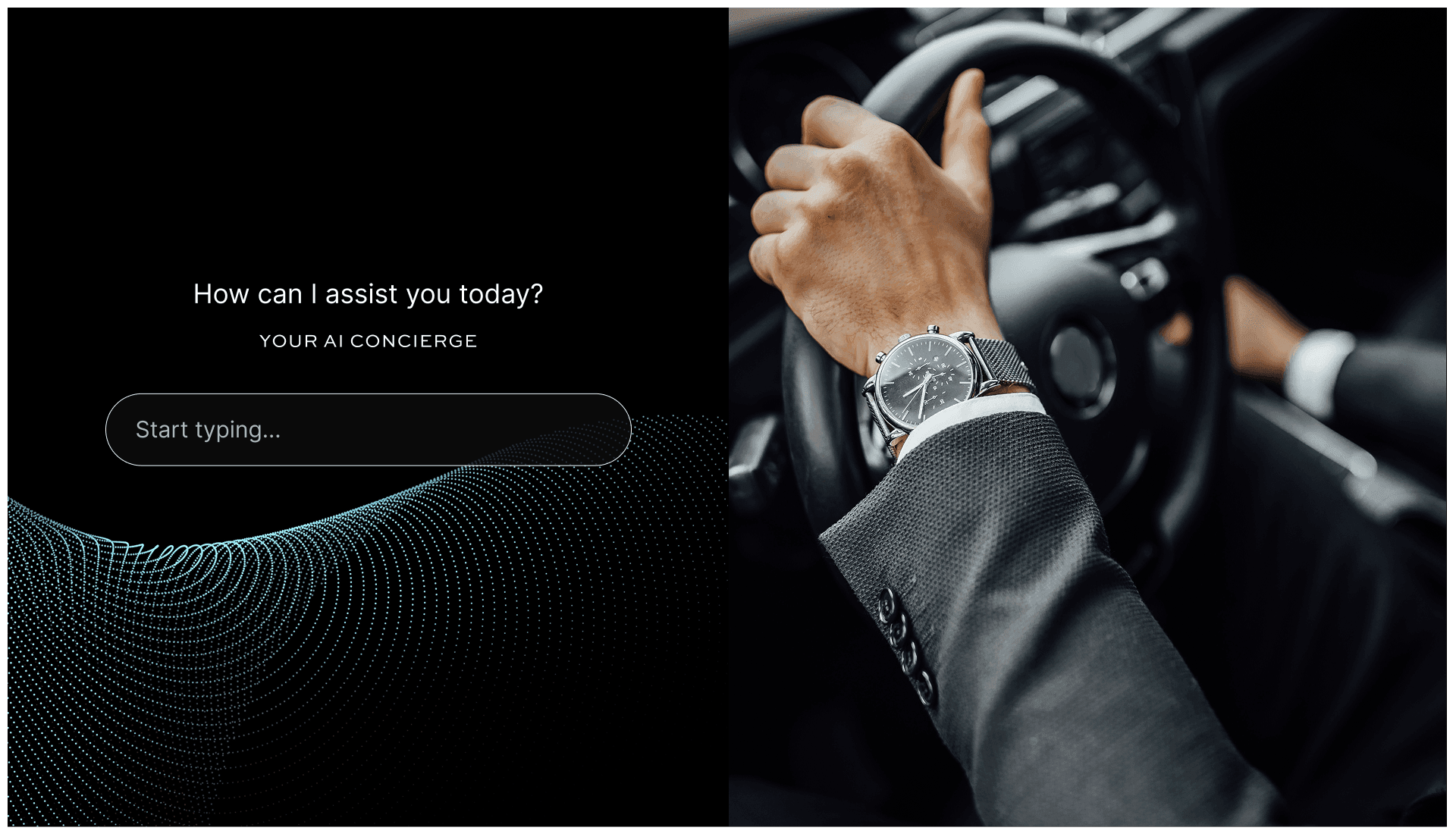
Erosion of Brand Equity
This gap between analogue and digital quality is a real threat. Luxury is built on quality, desire and trust. When an online service feels clumsy or impersonal, the illusion breaks, and the customer who expects excellence experiences disappointment instead of delight. Some heritage marques have recognised this risk. Rolls-Royce and BMW have invested heavily in digital experience, while others, such as Aston Martin, are moving quickly to catch up.
Digital competence is now as important to reputation as material quality or design. When a digital journey fails to meet the standard set by a product or boutique experience, customers disengage before they ever encounter what makes the brand exceptional.
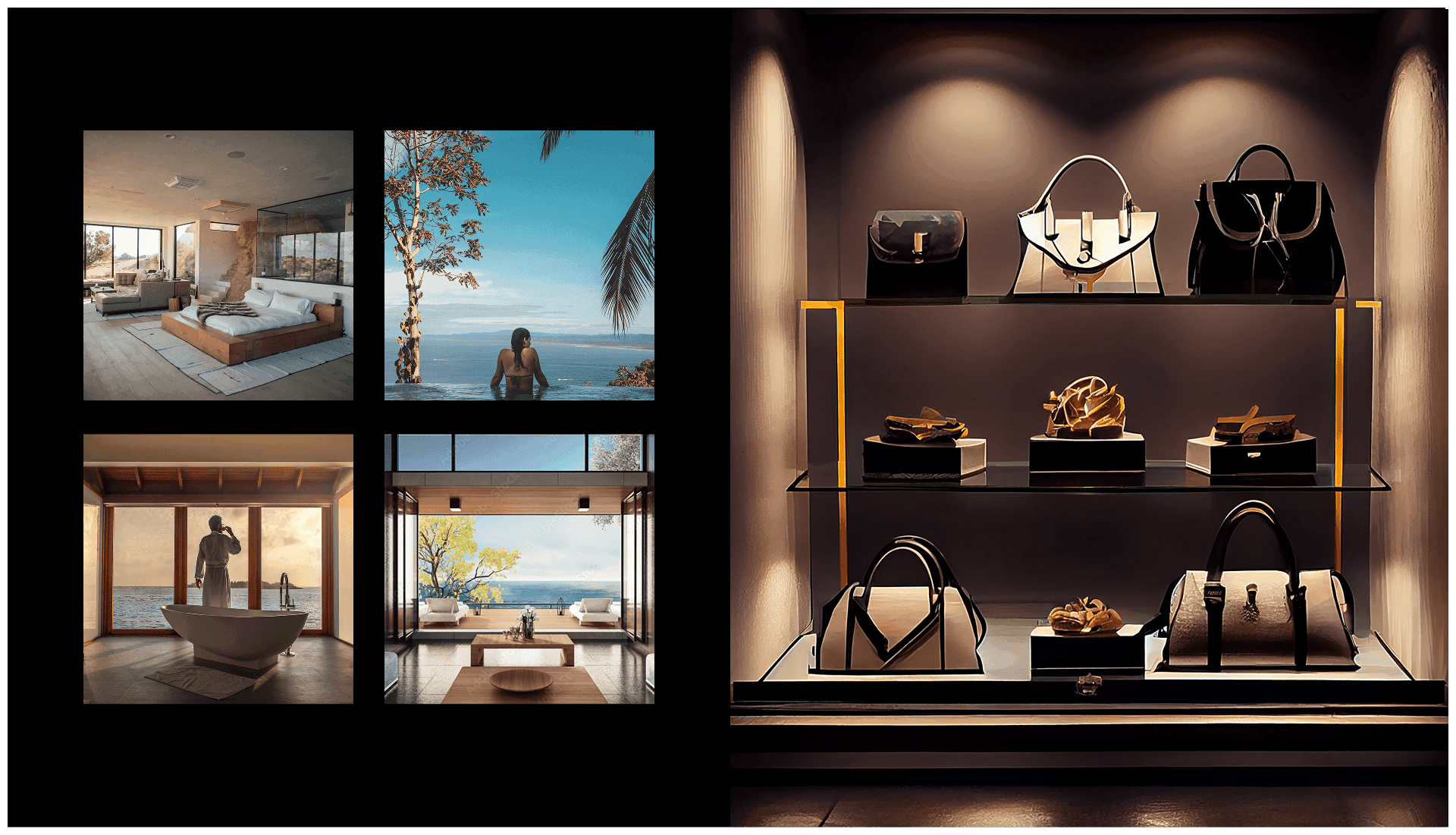
The missed opportunity
Luxury shoppers increasingly expect the same level of care and detail online that they receive in-store. At the same time, a younger generation of buyers is coming of age. They associate luxury with ease, anticipation, and personal relevance. Brands that meet those expectations will strengthen loyalty and expand their audiences, while those that do not will lose relevance to faster and more competent competitors.
Delivering luxury digitally does not mean abandoning what makes these brands distinctive. It means applying the same values of craftsmanship and service to digital touchpoints, creating interfaces that perform beautifully, interactions that feel effortless, and experiences that anticipate customer needs as well as the most attentive human concierge.

The moment to act
Luxury brands can no longer treat digital as an afterthought. At Futurice, we see this pattern across sectors: the emotional and experiential power that defines luxury in the physical world often fails to translate digitally. Closing that gap requires the same dedication that has always distinguished true luxury. The same principles that define their products — Story, Prestige, Emotion, Craft, and Service — must also guide their digital experiences. Together, these elements form a blueprint for creating digital encounters that feel as distinctive and elevated as the products themselves.
Our next article explores these five dimensions of Digital Luxury in depth and show how they can help brands design digital experiences worthy of their heritage.
If you'd like to learn more about how we’re exploring this space, please write to us directly.